California's Artificial Grass Laws: What Your HOA Cannot Prohibit
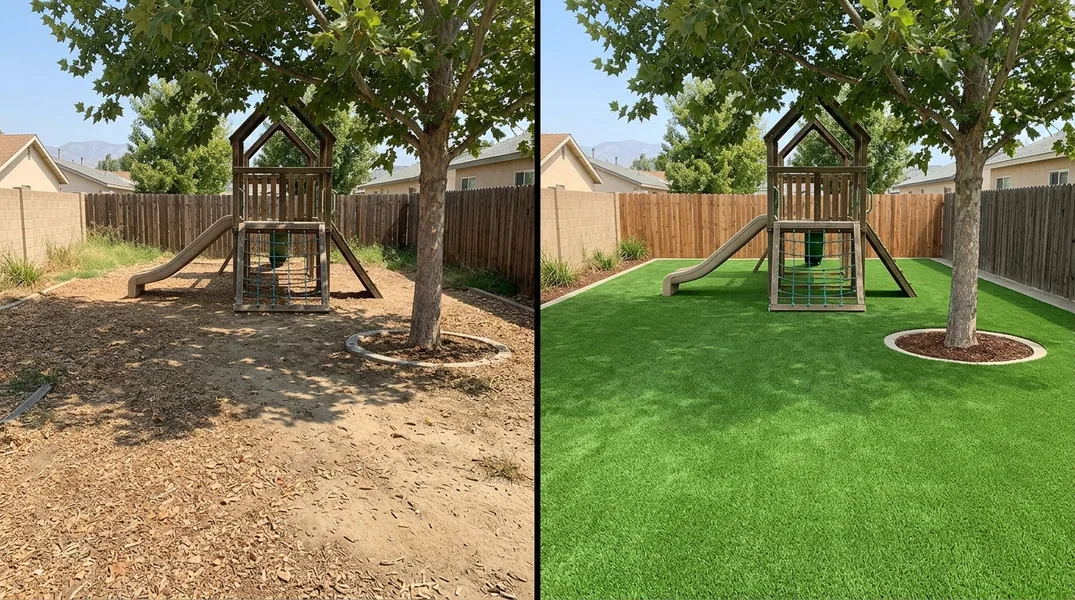
Many homeowners in Fresno are surprised to learn that California state law actually protects their right to install artificial grass, even in communities with strict HOAs. In 2015, California passed Assembly Bill 1881, which significantly limited HOA restrictions on artificial turf installations. This groundbreaking legislation was designed to promote water conservation across the state, particularly important in drought-prone regions like the Central Valley.
Under this law, HOAs cannot blanket prohibit artificial grass installations on residential properties. Instead, they must allow homeowners to replace natural turf with drought-resistant artificial alternatives. The law applies to both front yard and backyard installations, meaning your HOA cannot simply say no to Residential Artificial Grass Installation based on a general prohibition. However, this does not mean your HOA has no say at all. They retain the right to establish reasonable aesthetic standards, which is where the submittal and approval process becomes critical for Fresno homeowners.
Front Yard Artificial Grass and HOA Aesthetic Standards
When it comes to front yard artificial grass, HOAs have legitimate authority to enforce aesthetic standards that protect neighborhood character. This is where many homeowners encounter confusion. Your HOA cannot prohibit artificial turf outright, but they can require that it meet specific quality and appearance criteria. This means they may specify the shade of green, pile height, backing material, and overall appearance to ensure the turf blends seamlessly with the neighborhood aesthetic. For front yard installations especially, HOAs often want assurance that the artificial grass will look natural and well-maintained, not cheap or plastic.
The key distinction is that aesthetic requirements must be applied uniformly and reasonably. An HOA cannot reject artificial grass simply because they prefer natural lawn, nor can they impose standards so stringent that they effectively become a prohibition. In practice, this means working with your HOA to understand their specific requirements before installation begins. Many Fresno neighborhoods have discovered that quality artificial turf actually enhances curb appeal while conserving water, and forward-thinking HOAs now welcome these installations when they meet established standards.
Understanding the HOA Submittal and Approval Process
The submittal process is your pathway to getting artificial grass approved by your HOA. Most HOAs require homeowners to submit a formal request, often called an architectural review or modification request, before beginning any installation work. This typically involves completing a form provided by your HOA and including detailed information about the proposed project. For artificial grass installations, you will generally need to provide the product specifications, including the manufacturer name, turf type, pile height, color, and backing material. Many HOAs also request photographs or samples of the artificial grass product you plan to install.
When preparing your submittal, include documentation that demonstrates your chosen turf meets or exceeds industry standards for residential installations. Reputable manufacturers provide technical data sheets and warranties that show durability and UV resistance. Some HOAs may also want to know the installation method, whether you are working with a professional installer, and a timeline for completion. Submitting thorough, professional documentation significantly increases your chances of quick approval. If you are working with a professional installer like Fresno Turf Installation, they can often assist with preparing submittal materials and communicating with your HOA, streamlining the entire approval process.
Artificial Grass HOA Rules in California: Common Requirements and Restrictions
While California law protects your right to install artificial grass, individual HOAs do have authority to establish specific rules governing installations. Common HOA requirements include minimum turf quality standards, restrictions on installation in certain areas (such as slopes or drainage zones), and requirements for professional installation. Many HOAs in California now require that artificial turf have a minimum pile height of 1.5 inches and realistic coloration, and some specify that backing material must be permeable to allow proper drainage. These are reasonable standards designed to ensure long-term performance and appearance.
Some HOAs also impose rules about where artificial grass can be installed. For example, they may prohibit turf in areas with heavy water runoff or require it only in specific zones. Others mandate that homeowners use approved installers or provide proof of proper installation. In Fresno, where water conservation is a genuine community priority, many HOAs have actually become more permissive about artificial grass in recent years, recognizing the environmental benefits. Before beginning any installation, review your CC and Rs (Covenants, Conditions, and Restrictions) and contact your HOA board to understand their specific artificial grass HOA rules. This proactive communication prevents costly delays or required removal of improperly installed turf.
Steps to Successfully Navigate Your HOA's Approval Process
Getting approval for artificial grass from your HOA does not have to be complicated if you follow a clear process. First, obtain a copy of your HOA's architectural guidelines or modification request forms. Most HOAs post these documents online or provide them upon request. Next, research the specific product you want to install and gather all technical specifications. Take high-quality photographs or obtain samples that show the turf's color, texture, and overall appearance. Contact your HOA's architectural review committee or board to understand their specific requirements for artificial grass installations, and ask if there are any previously approved products or preferred manufacturers.
When you submit your request, be thorough and professional. Include a cover letter explaining your project, attach all product specifications and photographs, and provide a timeline for installation. If your HOA requests additional information, respond promptly and completely. Many approvals are delayed simply because homeowners do not provide sufficient documentation on the first submission. If you are working with a professional installer, ask them to assist with the submittal process, as experienced installers are familiar with typical HOA requirements and can present information in the format most likely to gain approval. Once approved, ensure your installer follows all HOA guidelines during installation. If you need help finding a qualified installer experienced in navigating HOA requirements, Fresno Turf Installation can provide a free estimate and guidance through the approval process.
What to Do If Your HOA Denies Your Artificial Grass Request
If your HOA denies your artificial grass request, you have options. First, request a written explanation of why your submittal was rejected. The denial must be based on reasonable aesthetic standards or legitimate HOA rules, not on a blanket prohibition against artificial turf. If you believe the denial violates California's AB 1881, you can request a formal hearing or appeal to the HOA board. Document all communications with your HOA and keep copies of your original submittal and their response. If the HOA's position seems unreasonable or legally questionable, consider consulting with an attorney familiar with California HOA law and water conservation regulations.
In many cases, a denial can be overcome by addressing specific concerns raised by the HOA. If they rejected your submittal because the turf color seemed too bright or artificial-looking, you might resubmit with a different product sample in a more natural shade. If they cited drainage concerns, you could propose installing turf only in certain areas or provide engineering documentation showing proper drainage design. The goal is constructive dialogue that satisfies both your desire for water-efficient landscaping and your HOA's legitimate aesthetic concerns. Most disputes can be resolved through communication and willingness to compromise on reasonable standards. When in doubt about your rights or the HOA's authority, refer to Fresno city records or consult a legal professional who understands California's artificial grass protections.
Looking for a professional artificial grass installation company in Fresno? Fresno Turf Installation responds fast for all your artificial grass installation needs.
Get a Free Quote